
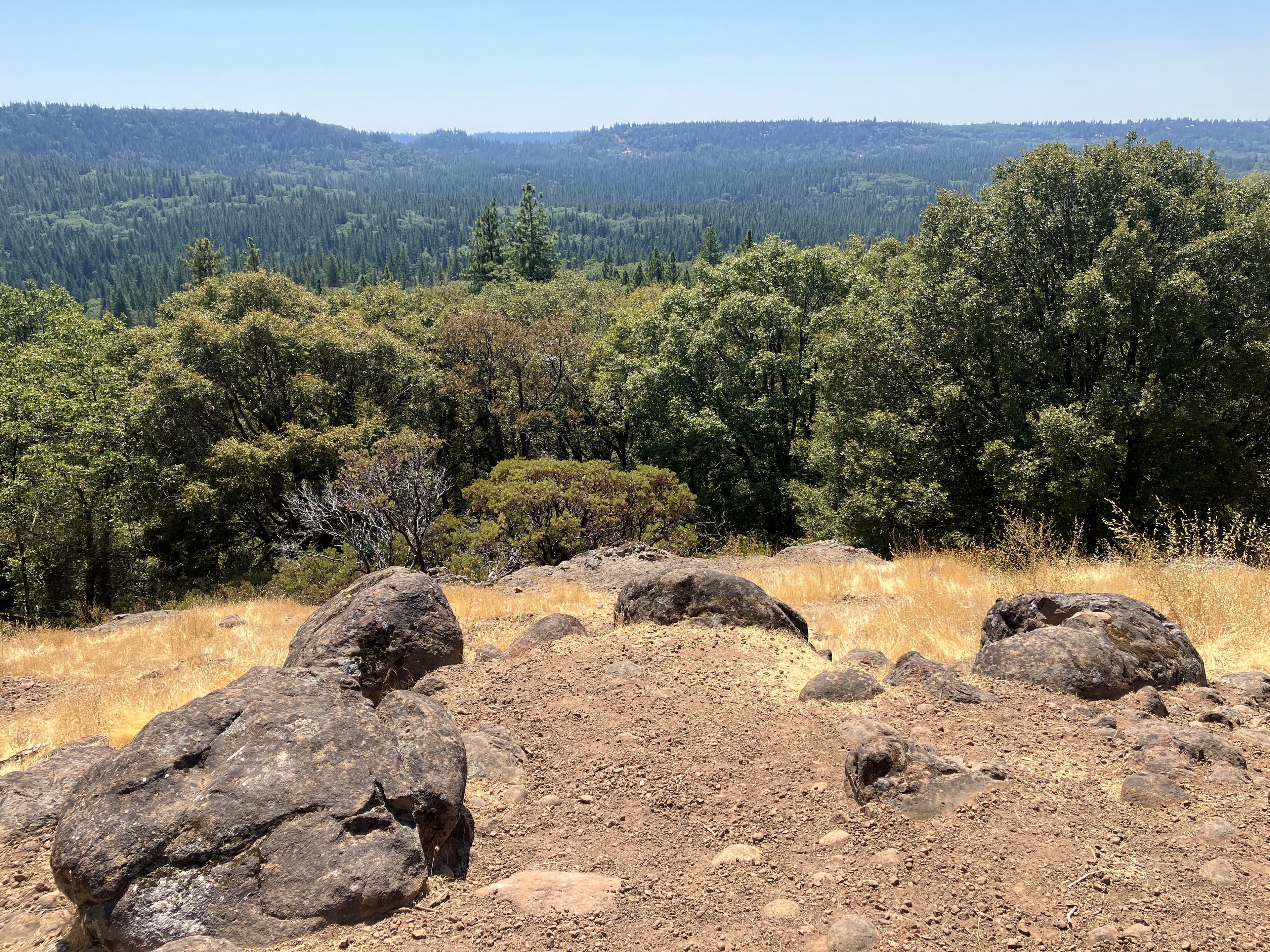
Rooted in the Yuba River watershed for 36 years
The Yuba Watershed Institute is a Nevada City–based 501(c)(3) nonprofit dedicated to the health of forests and waterways. We connect people to the land through hands-on stewardship and education.
Two programs, one watershed
Our work is organized around two interconnected program areas — each grounded in the landscapes and communities of the Yuba River watershed.
Forest Health & Fuels Reduction
We plan and implement landscape-scale treatments — strategic fuel breaks, hand thinning, pile burning, and prescribed fire — to reduce wildfire risk, protect evacuation routes, and restore resilient forest structure and habitat.
See Projects →Education & Field Programs
We connect people to place through hands-on learning. Join our annual Fungus Foray, browse back issues of Tree Rings, and look for seasonal walks & talks on fire ecology, native plants, and watershed science.
Events & Publications →Staff
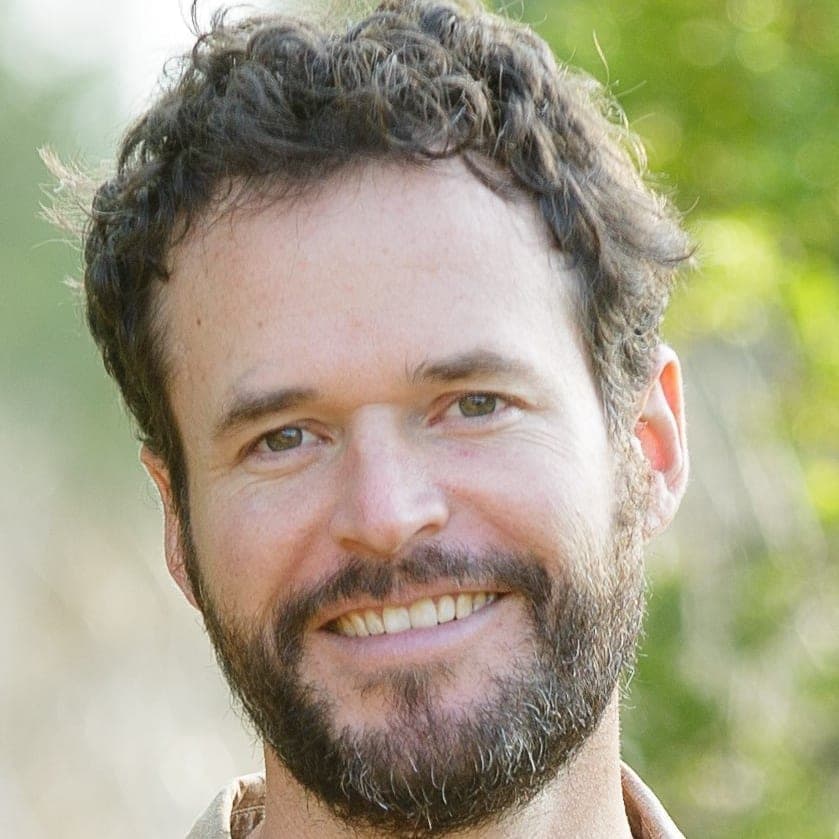
Chris Friedel
Chris Friedel is the Executive Director of the Yuba Watershed Institute, where he has led day-to-day operations and major forest health initiatives since 2018. With nearly two decades of experience in ecological restoration, Chris has worked across both public and private lands in California as a vegetation ecologist, project manager, and nonprofit leader. He has secured more than $6 million in funding for landscape-scale resilience projects in the Yuba River watershed, building collaborations with agencies, landowners, and local communities. Chris holds a B.S. in Earth Systems from Stanford University.
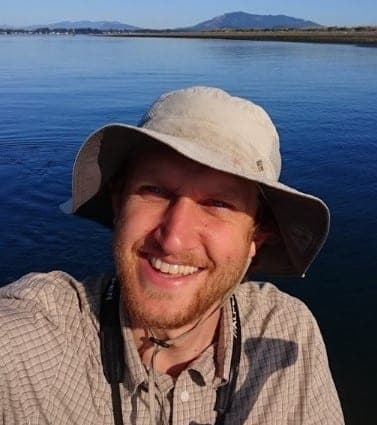
Theo Fitanides
Theo Fitanides is a Landscape Resilience Project Coordinator with the Yuba Watershed Institute, bringing more than a decade of experience in botany, habitat restoration, and native plant cultivation. He has worked with organizations including Sierra Streams Institute, East Bay Regional Park District’s Botanic Garden, and the California Native Plant Society’s Native Here Nursery, where he managed operations and coordinated volunteer programs. Theo’s background also includes roles as a staff botanist and field biologist, conducting nesting bird surveys, habitat assessments, and conservation projects across California. A graduate of Cal Poly San Luis Obispo with a B.S. in Biological Sciences, Theo specializes in the ecology and restoration of California native plants and their role in resilient forest ecosystems.
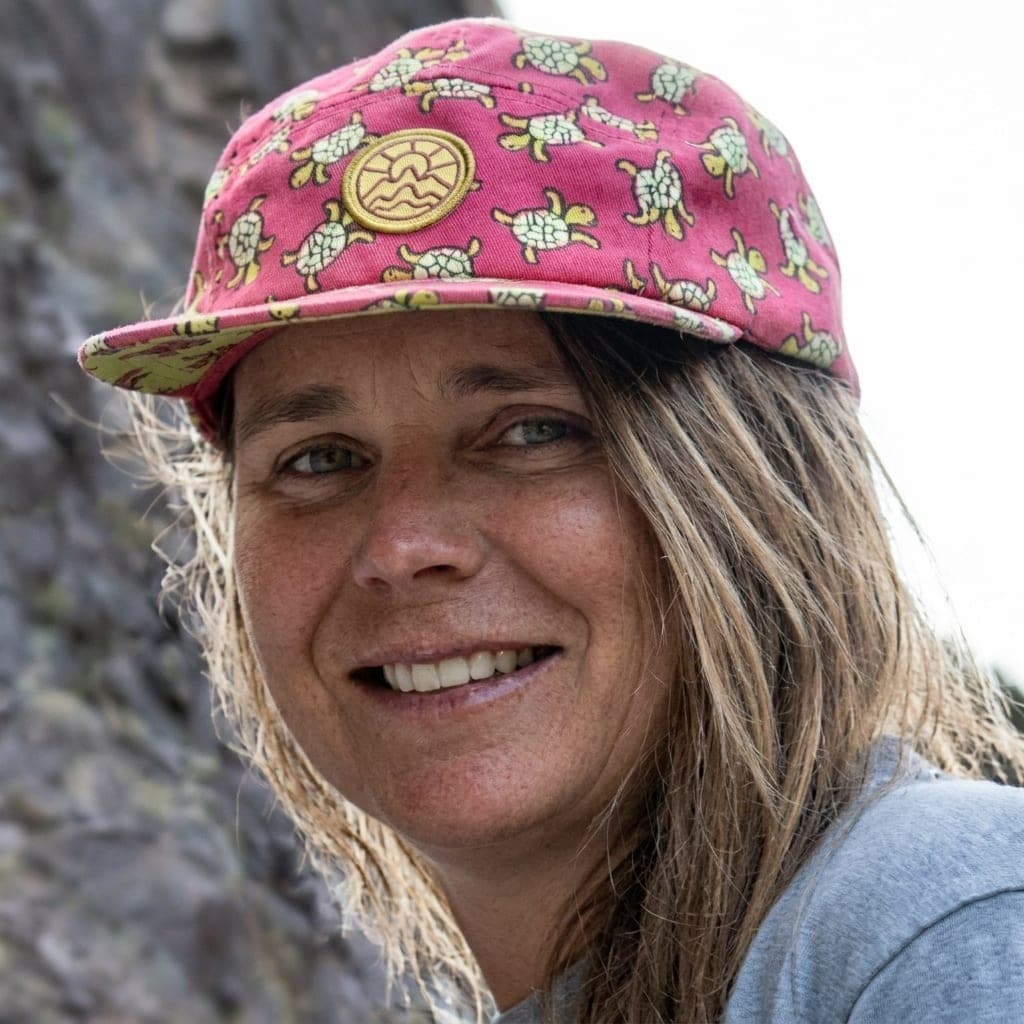
Lynne Westerfield
Lynne Westerfield is a Landscape Resilience Project Manager with the Yuba Watershed Institute, where she helps plan, implement, monitor, and report on forest and watershed resilience projects across the San Juan Ridge and the greater Yuba River watershed. She brings more than two decades of conservation experience spanning California, Arizona, Colorado, and the Northern Rockies. Most recently, she directed stewardship and restoration for Wild Arizona, where she managed year-round professional field crews and coordinated watershed restoration, fuels reduction, and invasive plant projects with agencies, tribes, and private landowners, and later served as the organization's Executive Director. Earlier, she founded and led the Cloud City Conservation Center in Leadville, Colorado, building its farm, living classroom, and community programs from the ground up. A longtime Grand Canyon river guide known for building durable partnerships and strong volunteer programs, Lynne holds an M.S. in Natural Resources from the University of Idaho and a B.A. in Geology from Colorado College.
Board of Directors
Thirty-six years rooted in the watershed
The Yuba Watershed Institute was born in 1990, at the height of the "timber wars" that swept across the American West. On the San Juan Ridge, between the Middle and South Yuba Rivers, neighbors began meeting to discuss threats to nearby Bureau of Land Management parcels. At the time, the BLM was considering selling off forest tracts based on their timber value — an approach that would have led to heavy logging and subdivision.
Alarmed residents, including writer Gary Snyder and forest ecologist Don Harkin, rallied to protect these lands and met with BLM field manager Deane Swickard, who encouraged them to form a nonprofit. Within a year, the Yuba Watershed Institute was incorporated as a 501(c)(3).
From the beginning, YWI embodied collaboration. In 1991 the group signed a cooperative agreement with BLM and the Timber Framers Guild to jointly manage nearly 2,000 acres of forest. They named the land the ‘Inimim Forest, after the Nisenan word for ponderosa pine. Volunteers, scientists, and local schools soon joined forces to inventory wildlife, map vegetation, and draft the first community-written management plan for federal forestlands in the United States (1995).
The Institute quickly became more than a forest watchdog. Members launched Tree Rings, a journal blending science, essays, poetry, and art; hosted public conferences on forest health; and created community traditions like the annual Fungus Foray, which continues to inspire curiosity about local ecology.
Today, with more than thirty years of experience and broad public trust, YWI is leading efforts to prepare Sierra Nevada forests for the challenges of the 21st century: wildfire, drought, and climate change. From its beginnings around kitchen tables on the Ridge to its role as a regional leader in resilience planning, YWI continues to live up to its founding vision: to care for this watershed with both knowledge and love.
History at a Glance
- 1990Local residents on San Juan Ridge organize; YWI is founded.
- 1991Cooperative agreement with BLM creates the ‘Inimim Forest (~2,000 acres).
- 1995First ‘Inimim Forest Management Plan published — first community-written federal forestland plan in the U.S.
- Late 1990sEcological inventories map wildlife, old-growth stands, watershed conditions.
- 2000Implementation plan guides thinning and restoration; first acres treated.
- 2000sLaunch of Tree Rings, art shows, and annual Fungus Foray.
- 2010The Nature of this Place published, compiling YWI's first decades.
- 2017–2018New inventories and draft revised management plan completed.
- 2018–presentMore than 900 acres treated; major funding secured for wildfire resilience.