
Project Updates
Little Deer Creek: Treatments Complete, Grant Closing Out
After more than two years of planning, contracting, and on-the-ground work, fuel reduction treatments are complete across the Little Deer Creek Landscape Resilience Project. A milestone update from the project team.
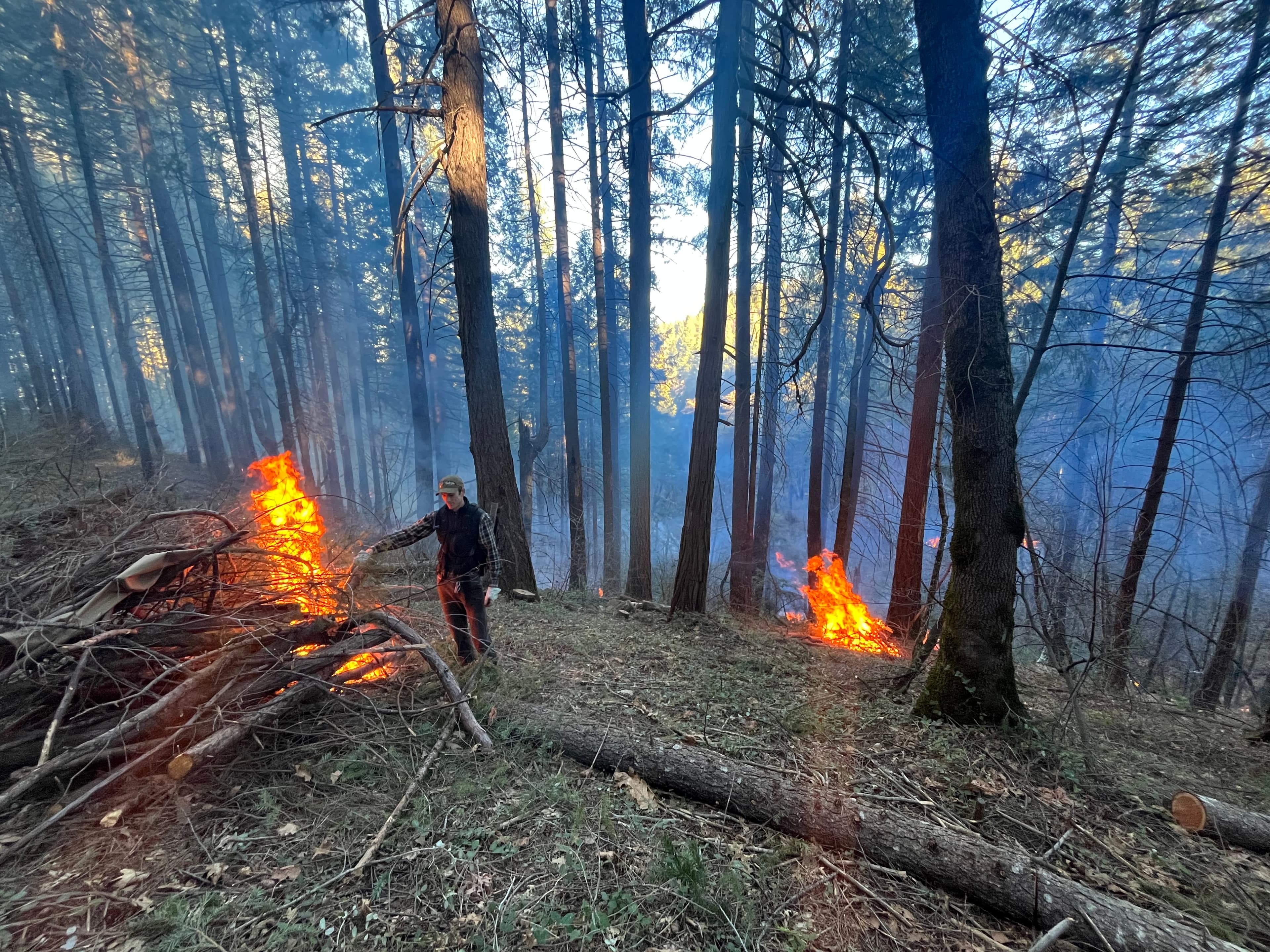
We're writing with a milestone update on the Little Deer Creek Landscape Resilience Project.
After more than two years of planning, contracting, and on-the-ground work, fuel reduction treatments are now complete across the project area — approximately a half-mile southeast of Nevada City.
What Was Accomplished
The project treated 206 acres of forest across federal and private lands in the Little Deer Creek watershed, including portions of:
- BLM-managed public lands
- Bear Yuba Land Trust's Woodpecker Wildlife Preserve
- Private parcels enrolled in the project
Treatments included mechanical mastication, hand cutting and piling, chipping, pile burning, and lop-and-scatter methods. The work focused on removing smaller trees and shrubs (≤ 10″ diameter) and larger dead or dying hazard trees, with priority given to incense cedar, Douglas-fir, and white fir to restore more fire-resilient forest structure.
Why It Mattered
Forest conditions in the Little Deer Creek watershed had exceeded historical norms for fuel load, tree density, and canopy closure. The area's proximity to Nevada City and Grass Valley made reducing that risk a priority for multiple agencies and community partners.
The project protects the Cascade Canal Trail, the Nevada Irrigation District's D.S. Canal (serving 900+ customers), Nevada City's water treatment facilities, and a year-round archery range operated by the Nevada County Sportsmen Club.
Partners
This project would not have been possible without the collaboration of multiple organizations:
- Yuba Watershed Institute (project lead)
- Bureau of Land Management, Mother Lode Field Office
- Bear Yuba Land Trust
- Sierra Streams Institute
- Sierra Nevada Conservancy (grant funder)
- City of Nevada City
- Nevada Irrigation District
Remaining Burn Piles
One piece of work still outstanding: approximately 10 acres of slash piles from the thinning remain on the BLM-managed portion of the project and still need to be burned. BLM fire staff have confirmed the piles are on their radar and plan to conduct a site visit to assess conditions and timing. Coordination with CAL FIRE on the burn plan is expected before any ignition. We'll share an update when a burn date is confirmed.
What Comes Next
With treatments complete, the grant is now in its close-out phase. The project team will be submitting final reports and deliverables to the Sierra Nevada Conservancy. Long-term monitoring of vegetation response and forest health will continue in the treated units.
Thank you to all of our partners, landowners, and community members who made this project possible.
More from YWI
Two RFPs Open: Fuels Reduction Contractors for Round Mountain and South Yuba Rim
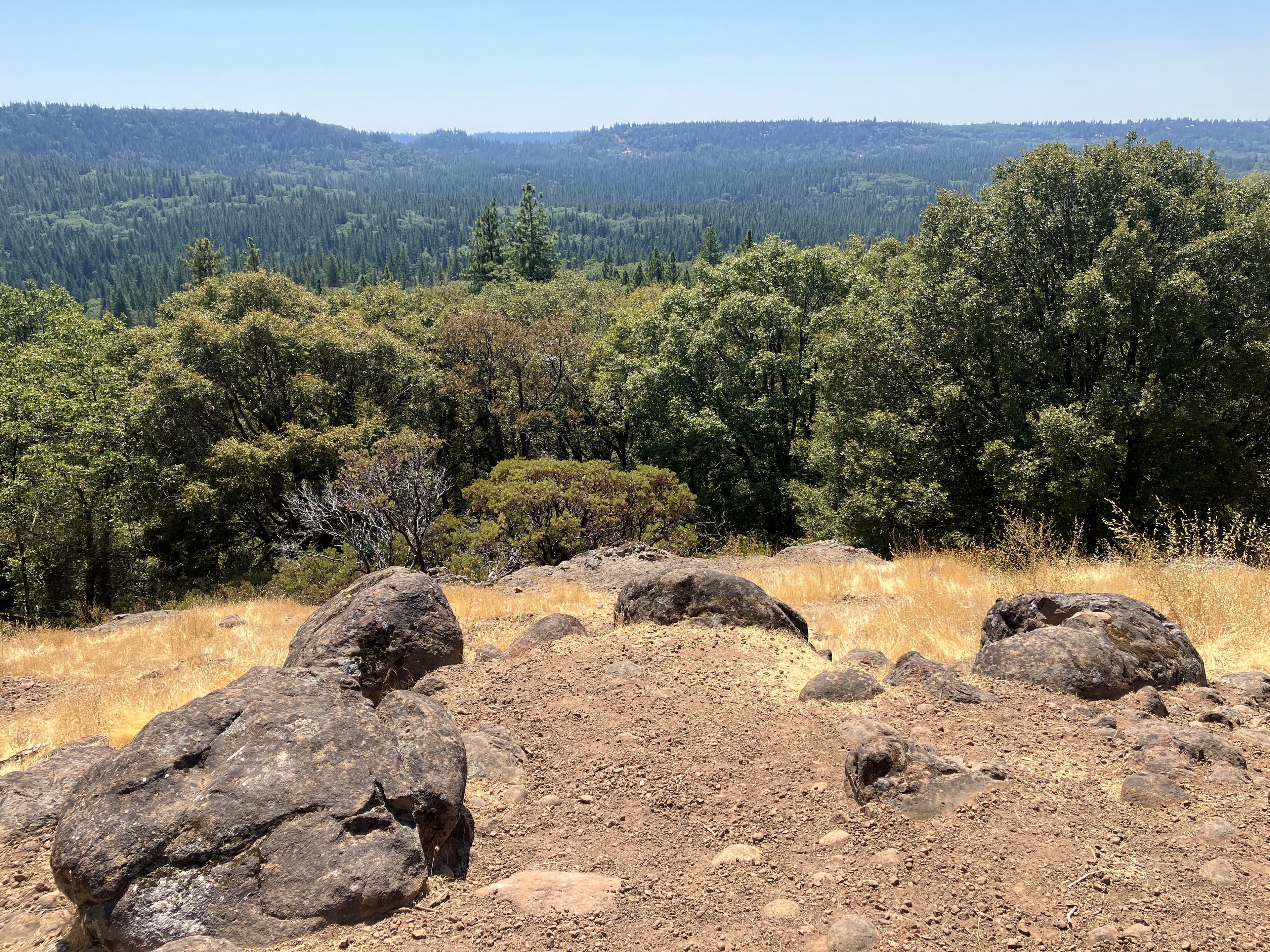
YWI has released two Requests for Proposals for fuels reduction contractor services — about 152 acres of ridgetop shaded fuel break on BLM land at Round Mountain, and about 232 acres of fuel breaks across 31 private parcels on San Juan Ridge for the South Yuba Rim project. Both are due October 2, 2026, with non-mandatory field meetings on September 14 and 18.
Request for Proposals: Round Mountain 2026 Timber Operations
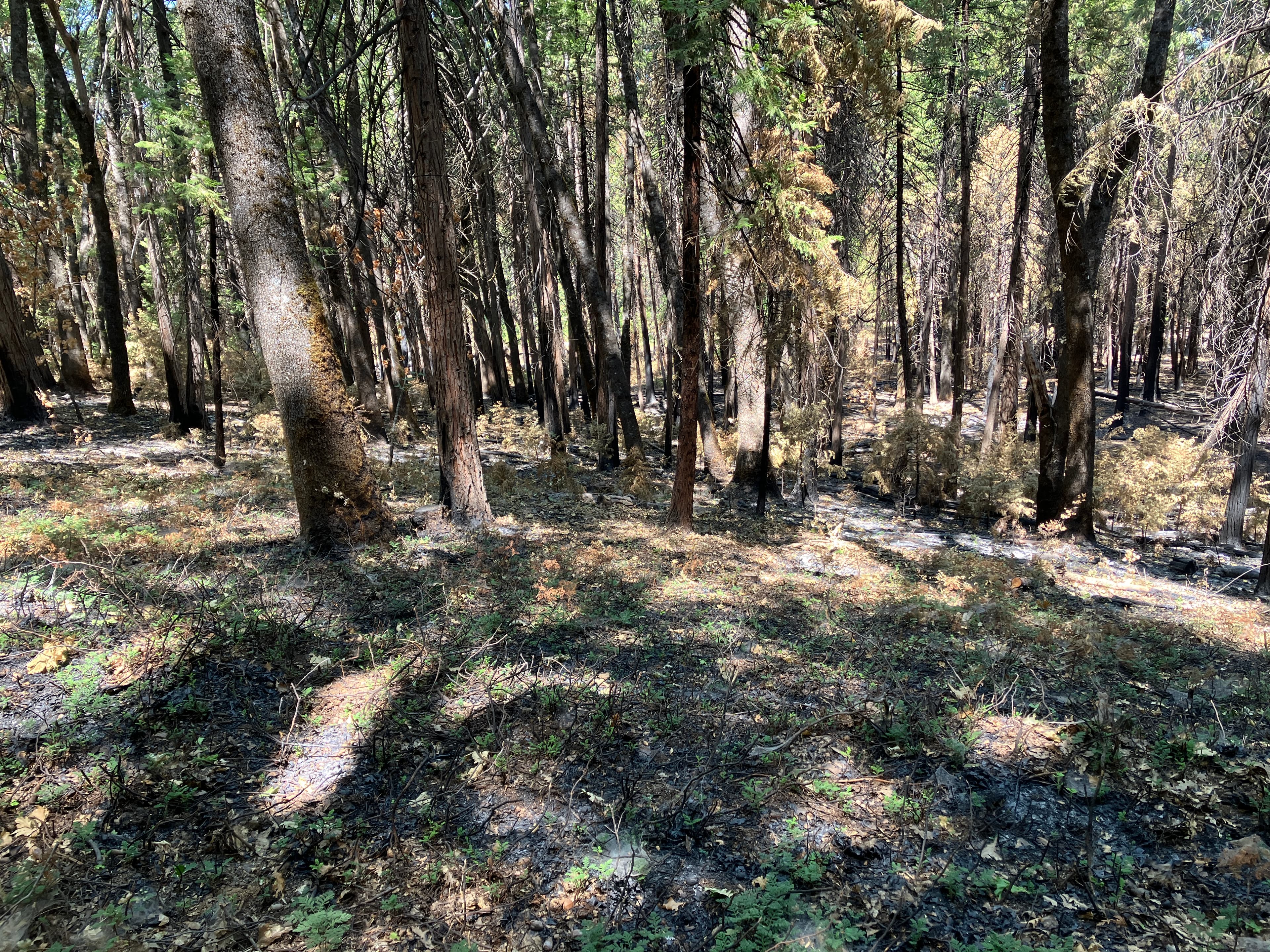
YWI is seeking a Licensed Timber Operator to carry out a 40-acre timber harvest at Round Mountain — cedar sawlogs to the mill, sub-merchantable thinning, burn pile construction, and about 3,610 feet of fireline. The pre-proposal field meeting on August 24 is mandatory; proposals are due September 14, 2026.
Town Hall Aug. 27: Hard Choices in the Woods — Forests, Fire, and Herbicide
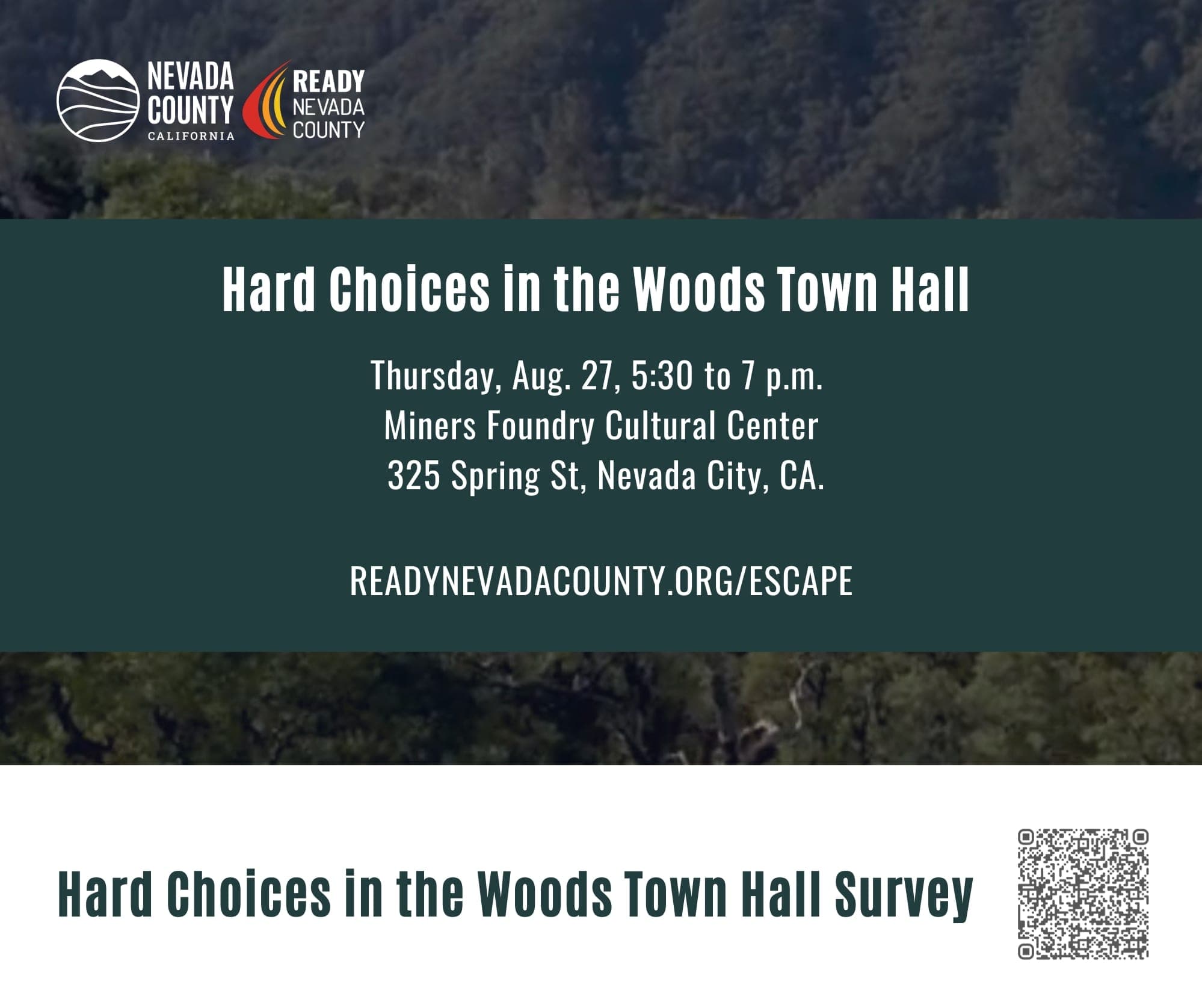
Nevada County OES and its partners are holding a public town hall on Thursday, August 27 in Nevada City about the forest management choices behind the ESCAPE Good Neighbor Agreement — including the targeted use of herbicide. Free and open to the public, with a survey open now for anyone who can't attend.