
Procurement
Request for Proposals: Round Mountain 2026 Timber Operations
YWI is seeking a Licensed Timber Operator to carry out a 40-acre timber harvest at Round Mountain — cedar sawlogs to the mill, sub-merchantable thinning, burn pile construction, and about 3,610 feet of fireline. The pre-proposal field meeting on August 24 is mandatory; proposals are due September 14, 2026.
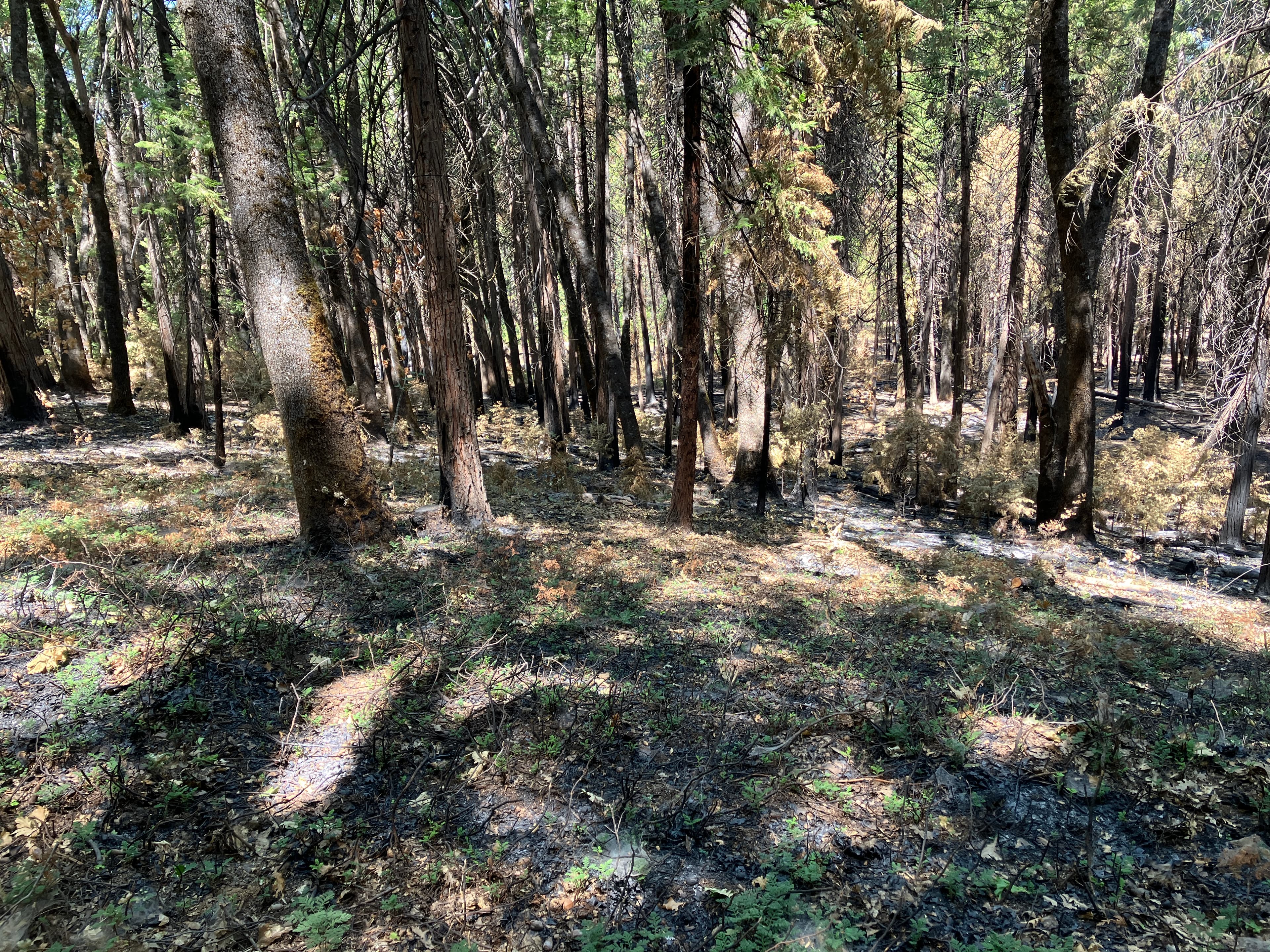
Yuba Watershed Institute (YWI) has issued a Request for Proposals (RFP) for the Round Mountain 2026 Timber Operations — a 40-acre timber harvest on private forestland on Merrimas Way, part of the Round Mountain Landscape Resilience Project north of Nevada City.
Read the full RFP + exhibits (PDF) → • View RFP details, addenda & Q&A →
At a glance
- Project: Round Mountain 2026 Timber Operations, under MTHP #2-23-00126-NEV
- Location: Merrimas Way, Nevada County, California — Section 19, T17N R9E, MDBM
- Treatment area: 40 acres of private forestland under a Bear Yuba Land Trust conservation easement
- Mandatory field meeting: Monday, August 24, 2026, 1:00 p.m.
- Questions deadline: August 26, 2026
- Responses and any addenda posted: August 31, 2026
- Proposals due: September 14, 2026, 5:00 p.m. Pacific Time
- Period of performance: Notice to Proceed (estimated October 1, 2026) through February 28, 2027 — a hard stop
- Submit to: chris@yubawatershedinstitute.org
The work
The intent of the treatment is to enhance ecosystem resilience and old-growth forest characteristics, primarily by recruiting large, resilient trees. That means cutting trees across all size classes — merchantable and sub-merchantable — along with brush, to reduce resource competition and break up fuel continuity. Mechanical operations will be followed by prescribed fire under a separate contract.
The selected contractor will:
- Cut, process, and haul merchantable incense cedar sawlogs to SPI Oroville. Over 90 percent of the overstory volume is incense cedar, and only cedar is hauled as sawlogs; roughly 65,546 gross board feet have been marked (Scribner estimate, provided for information only and not guaranteed). All commercial trees over 10 inches DBH to be cut carry a blue paint band.
- Thin sub-merchantable trees and brush under 10 inches DBH by designation by prescription — removing small-diameter stems from within the driplines of vigorous overstory trees, thinning gaps to a non-uniform average 15-foot spacing, and retaining about an acre of untreated brush patches. Sugar pine, Douglas-fir, dogwood, and riparian hardwoods are not cut at any size.
- Build mechanical burn piles from slash and sub-merchantable material, sited in openings where a prescribed burn would not scorch residual trees, with defined setbacks from driplines, property lines, structures, and retained brush.
- Construct approximately 3,610 feet of fireline along the southern and eastern boundaries to support future burning — machine-built to bare mineral soil except where the RPF directs hand line.
Two things proposers should read closely
This is a service contract, not a timber sale. YWI is the Timber Owner of record and holds the purchase order with the mill. Title to timber and logs never passes to the contractor; YWI invoices the mill, receives all log revenue, and pays the California timber yield and forest excise taxes. Unit prices are therefore service rates for felling, processing, skidding, decking, loading, and hauling, and must include no offset or credit for timber value. Contractors used to bidding net of expected log revenue should note that this project is structured the other way around.
The parcel carries a conservation easement. The Bear Yuba Land Trust easement, as amended, sets requirements that affect cost and are contractor obligations: retain at least 3 snags and 3 large downed logs per acre where they exist, no cutting of live healthy trees over 36 inches DBH, no even-aged regeneration, and no heavy equipment operation under saturated soil conditions.
The field meeting is mandatory
Attendance at the pre-proposal field meeting is required — a proposal from a firm that did not attend will be rejected as non-responsive. The meeting is Monday, August 24, 2026 at 1:00 p.m., commencing in the parking lot of the Coyote Overlook Trail on Rock Creek Road near its intersection with Merrimas Way. YWI and its Registered Professional Forester will walk the unit. RSVP by email.
The unit is marked, and the field meeting is the only practical opportunity to see the orange sample mark that demonstrates the sub-merchantable prescription — which is what makes that portion of the work possible to price.
How proposals are evaluated
This is a best-value process, not a low-bid competition. To be scored, a proposal must clear three pass/fail gates: attendance at the field meeting, proof of insurance meeting the contract requirements, and proof of a California business license, contractor's license, and valid Licensed Timber Operator Class A certification. The selected contractor must be amended onto the timber harvest plan before operations begin.
Scored proposals are evaluated on cost (35 points), approach, staffing, work plan and schedule (30), experience, qualifications and references (25), and local workforce (10).
How to submit
Proposals are a single PDF of no more than ten pages, due by 5:00 p.m. Pacific on September 14, 2026 to chris@yubawatershedinstitute.org. Questions are due August 26; responses and any addenda will be posted by August 31 on the RFP page.
All questions go to Chris Friedel, Executive Director, at the address above. Please do not contact the Registered Professional Forester or the landowner directly regarding this solicitation.
More from YWI
Notice of Intent to Award: Round Mountain 2026 Timber Operations
YWI intends to award the Round Mountain 2026 Timber Operations contract to Chris Swanson Trucking LLC, pending final contract execution. Work is planned for October 2026 through February 28, 2027.
Two RFPs Open: Fuels Reduction Contractors for Round Mountain and South Yuba Rim
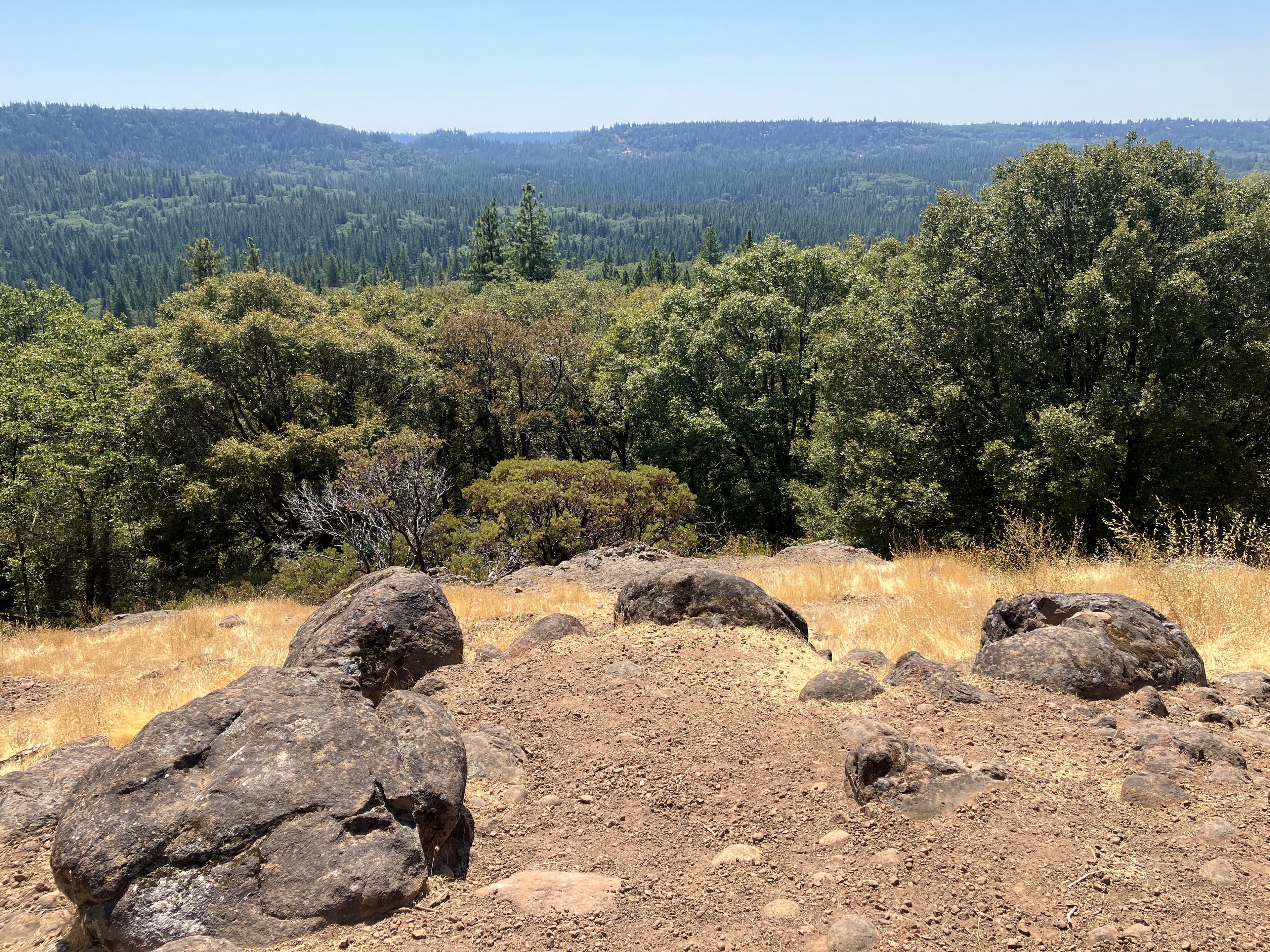
YWI has released two Requests for Proposals for fuels reduction contractor services — about 152 acres of ridgetop shaded fuel break on BLM land at Round Mountain, and about 232 acres of fuel breaks across 31 private parcels on San Juan Ridge for the South Yuba Rim project. Both are due October 2, 2026, with non-mandatory field meetings on September 14 and 18.
Town Hall Aug. 27: Hard Choices in the Woods — Forests, Fire, and Herbicide
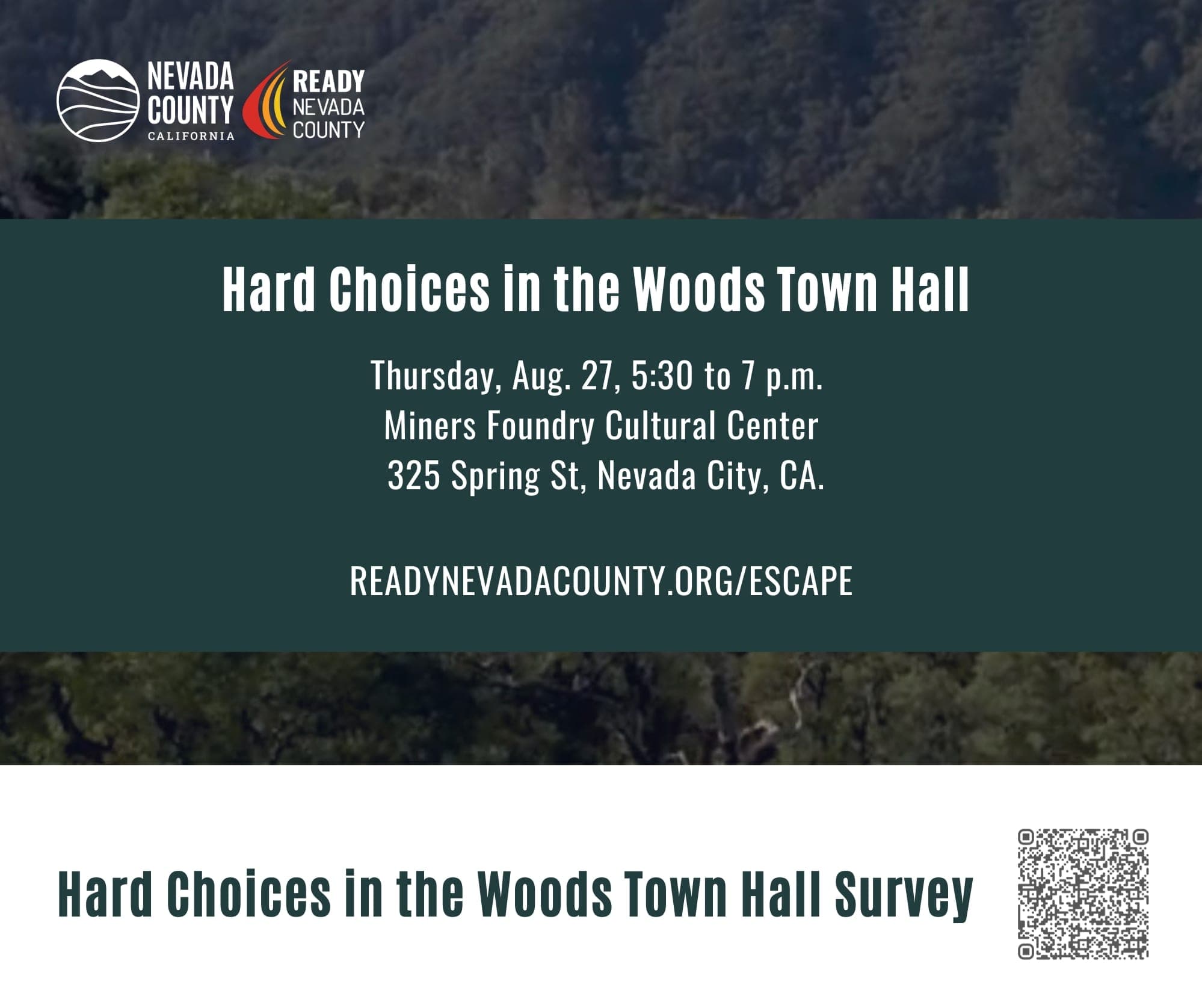
Nevada County OES and its partners are holding a public town hall on Thursday, August 27 in Nevada City about the forest management choices behind the ESCAPE Good Neighbor Agreement — including the targeted use of herbicide. Free and open to the public, with a survey open now for anyone who can't attend.