
Procurement
Request for Proposals: Qualified Biologist Services — South Yuba Rim Phase 2
YWI is seeking a qualified biologist or ecological consulting firm to conduct focused special-status species surveys, compliance monitoring, and reporting for the 232-acre South Yuba Rim Hazardous Fuels Reduction Project (Phase 2). Questions are due June 15 and proposals are due July 1, 2026.
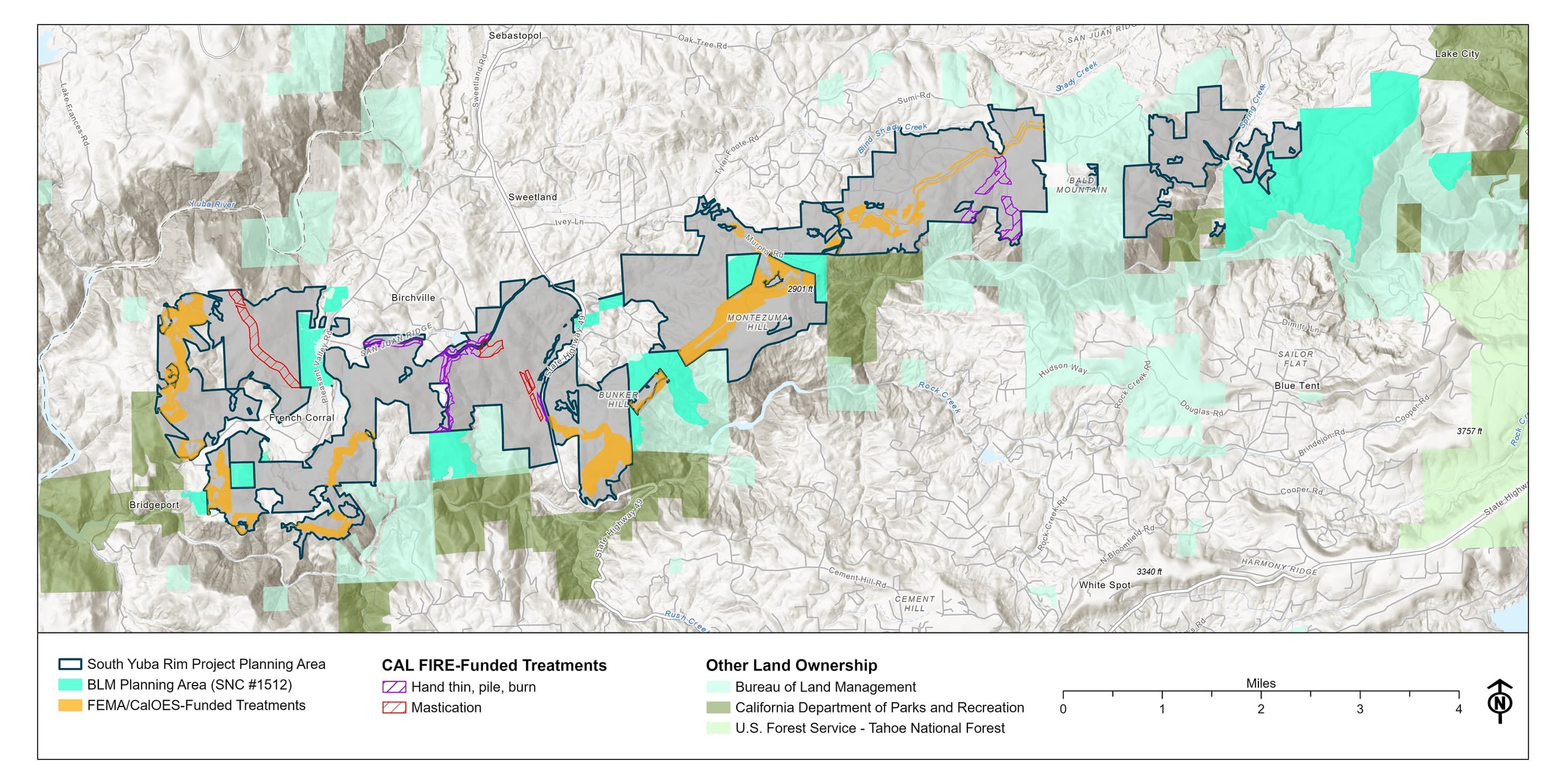
Yuba Watershed Institute (YWI) has issued a Request for Proposals (RFP) for qualified biologist services in support of Phase 2 of the South Yuba Rim Hazardous Fuels Reduction Project on San Juan Ridge, Nevada County.
Read the full RFP (PDF) → • View RFP details, addenda & Q&A →
At a Glance
- Project: South Yuba Rim Hazardous Fuels Reduction Project — Phase 2
- Funding: CAL FIRE Grant No. 5GG25128 (California Climate Investments / Greenhouse Gas Reduction Fund)
- Location: San Juan Ridge, Nevada County, California
- Treatment area: 232 acres total — 97 acres mechanical mastication and 135 acres hand thinning, piling, and pile burning
- Performance period: Through July 1, 2028
- Questions deadline: June 15, 2026
- Proposals due: July 1, 2026, 5:00 PM Pacific Time
- Submit to: chris@yubawatershedinstitute.org
Scope of Services
The project's environmental review was completed under the California Environmental Quality Act (CEQA) through a Project-Specific Analysis and Addendum to the CalVTP Program EIR (May 2025), which identifies the Standard Project Requirements and Mitigation Measures YWI must implement. The focused pre-treatment surveys and ongoing biological monitoring in this Scope of Work are the follow-on obligations triggered by that completed review.
The selected biologist or firm will provide:
- Required pre-treatment surveys (regardless of season) for coast horned lizard, northwestern pond turtle, American badger, Crotch's bumble bee, monarch butterfly / milkweed host plants, and wildlife nursery sites.
- Compliance monitoring support during treatment, remaining available on-call to advise YWI's project manager and direct protective measures for any special-status species encounters.
- Biological resource training for crews and contractors prior to each treatment season, plus documentation and reporting.
- Optional add-on services (special-status bat roost surveys, Northern California ringtail den surveys, and foothill yellow-legged frog surveys) activated by task order only if treatment scheduling or siting makes avoidance infeasible. Proposers should include separate not-to-exceed estimates for each add-on.
All surveys must be conducted by, or under the direct supervision of, a qualified biologist with demonstrated experience in the relevant taxa, and the biologist must hold all applicable state and federal permits where protocol-level surveys are required.
How to Submit
Submit questions by June 15, 2026 and proposals by 5:00 PM Pacific on July 1, 2026 to chris@yubawatershedinstitute.org. Any addenda or responses to questions will be posted on the RFP page.
The South Yuba Rim Hazardous Fuels Reduction Project Phase 2 is funded by the California Department of Forestry and Fire Protection's (CAL FIRE) Wildfire Prevention Grants Program as part of the California Climate Investments program.
More from YWI
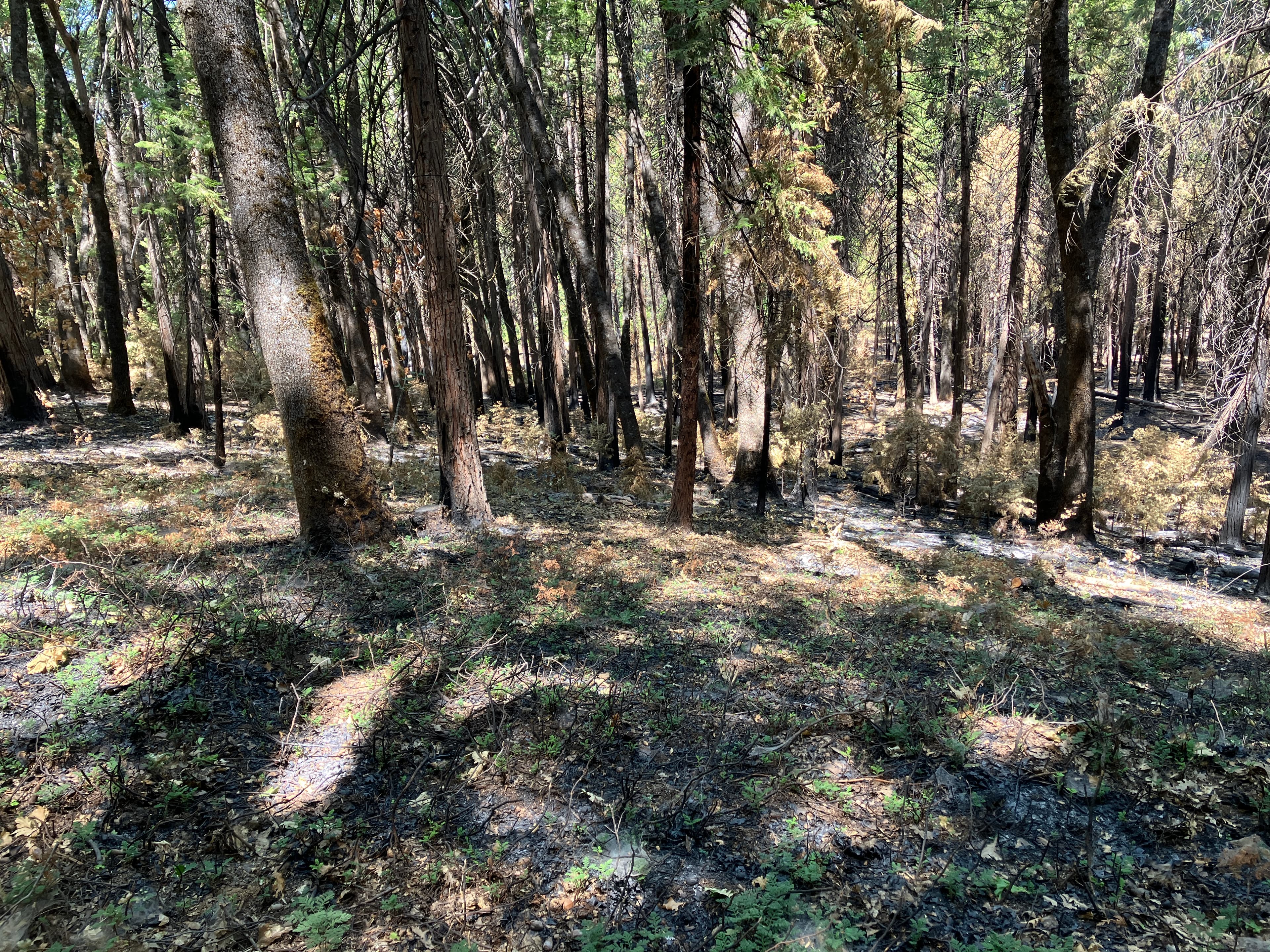
Notice of Intent to Award: Round Mountain 2026 Timber Operations
YWI intends to award the Round Mountain 2026 Timber Operations contract to Chris Swanson Trucking LLC, pending final contract execution. Work is planned for October 2026 through February 28, 2027.
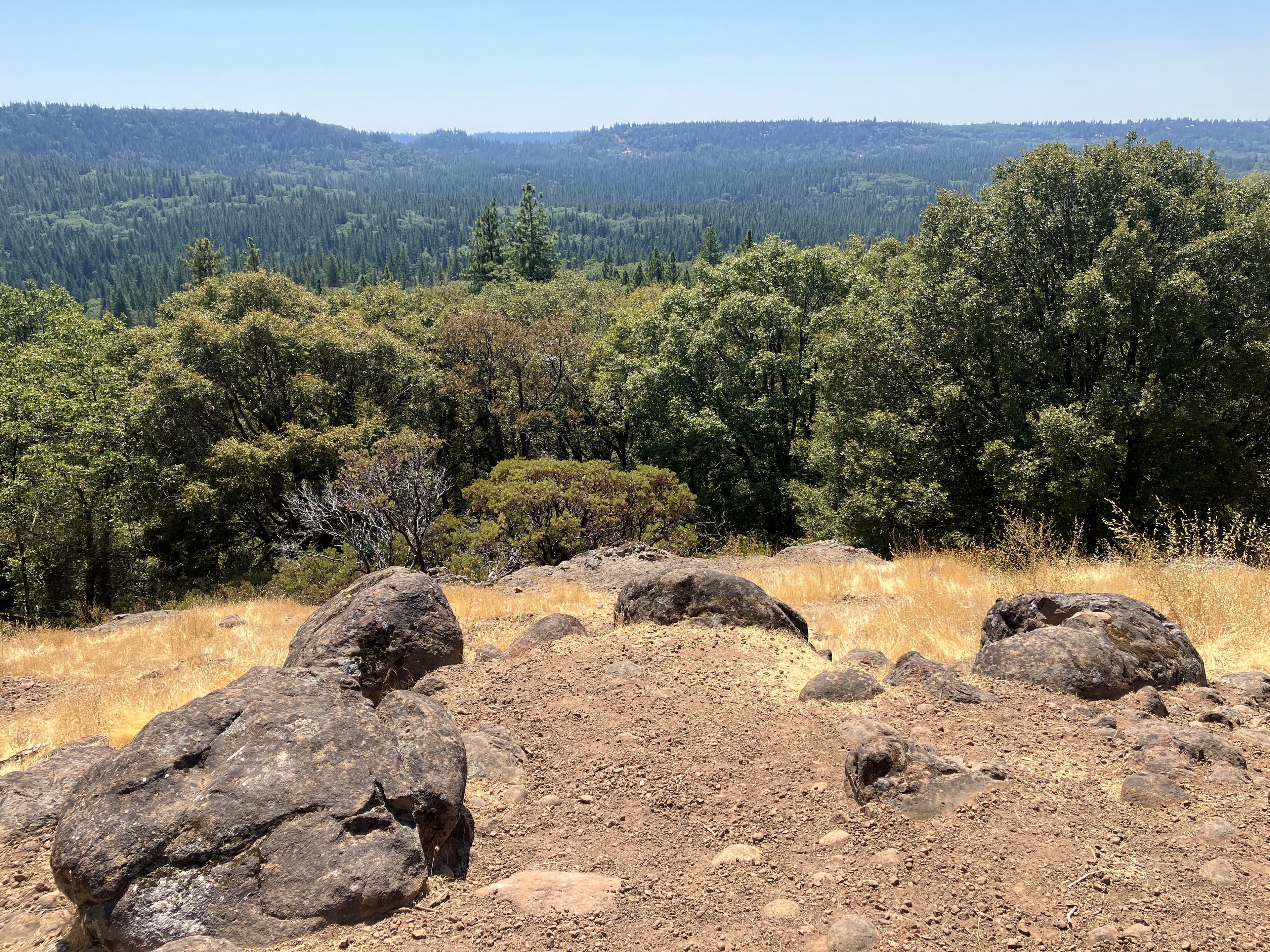
Two RFPs Open: Fuels Reduction Contractors for Round Mountain and South Yuba Rim
YWI has released two Requests for Proposals for fuels reduction contractor services — about 152 acres of ridgetop shaded fuel break on BLM land at Round Mountain, and about 232 acres of fuel breaks across 31 private parcels on San Juan Ridge for the South Yuba Rim project. Both are due October 2, 2026, with non-mandatory field meetings on September 14 and 18.
Request for Proposals: Round Mountain 2026 Timber Operations
YWI is seeking a Licensed Timber Operator to carry out a 40-acre timber harvest at Round Mountain — cedar sawlogs to the mill, sub-merchantable thinning, burn pile construction, and about 3,610 feet of fireline. The pre-proposal field meeting on August 24 is mandatory; proposals are due September 14, 2026.